
The Importance of Socializing Your Dog

The Importance of Socializing Your Dog
For many dog owners, the companionship of a furry friend brings immeasurable joy and fulfillment. However, ensuring your canine companion thrives in various environments and interacts positively with other dogs and people requires intentional efforts, and one crucial aspect is socialization. In this blog post, we'll delve into the significance of socializing your dog, exploring the benefits that extend beyond mere manners and delve into the overall well-being of your furry friend.
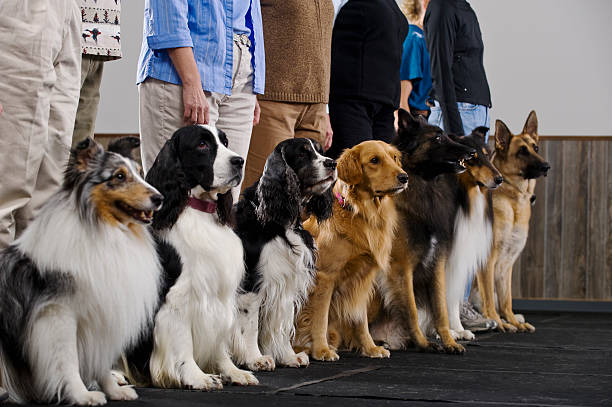
Understanding Canine Socialization
Socialization is the process through which a dog learns to adapt and behave appropriately in diverse social situations. This includes exposure to various environments, people, animals, sounds, and stimuli. The critical period for socialization occurs during puppyhood, typically between 3 and 14 weeks of age, when dogs are most receptive to new experiences.

Benefits of Socializing Your Dog
1. Behavioral Development
Socialization plays a pivotal role in shaping your dog's behavior. Exposure to different people, places, and situations helps your dog develop confidence and reduces the likelihood of fear-based aggression or anxiety. Well-socialized dogs are generally more adaptable and less prone to behavioral issues.
2. Reduced Fear and Anxiety
Dogs that are not adequately socialized may develop fear or anxiety in unfamiliar situations, leading to stress-related behaviors such as excessive barking, destructive chewing, or even aggression. Socialization helps dogs build confidence, making them more resilient in the face of new experiences.
3. Improved Communication Skills
Socializing your dog exposes them to various forms of communication, both from other dogs and humans. This enhances their ability to understand and respond appropriately to signals, contributing to more harmonious interactions with both their canine and human counterparts.
4. Prevention of Behavioral Problems
Behavioral problems often arise from a lack of socialization. Dogs that are not accustomed to various stimuli may exhibit aggression, fear, or excessive shyness. Socializing your dog early can significantly reduce the likelihood of developing these issues, saving you and your pet from unnecessary stress.
5. Enhanced Bonding with Owners
Socialization is not only about exposing your dog to external stimuli; it also involves strengthening the bond between you and your pet. Participating in socialization activities together fosters trust and cooperation, creating a deeper connection between you and your furry friend.
6. Positive Public Encounters
A well-socialized dog is a pleasure to take out in public. Whether it's a visit to the park, a pet-friendly café, or a busy street, a dog that has been exposed to various environments is more likely to behave appropriately in public spaces, making outings enjoyable for both you and your pet.
7. Adaptability to Routine Veterinary Care
Regular veterinary check-ups are a vital part of responsible pet ownership. Socializing your dog from an early age makes veterinary visits less stressful for both the dog and the veterinarian. A calm and cooperative dog is easier to examine, making routine care more effective.
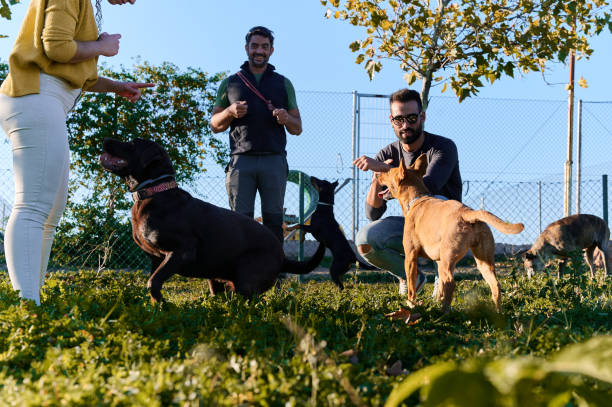
How to Socialize Your Dog: A Step-by-Step Guide
Socializing your dog is a rewarding process that requires patience, consistency, and positive reinforcement. Here's a step-by-step guide to help you ensure your furry friend becomes a well-adjusted and sociable companion.
1. Start Early
Begin socialization during the critical period of puppyhood, between 3 and 14 weeks. During this time, dogs are more receptive to new experiences and less likely to develop fear or anxiety.
2. Expose to Various Environments
Introduce your dog to different environments such as parks, streets, and even busy public spaces. Gradually increase the level of stimuli, helping your dog become comfortable in diverse settings.
3. Meet Different People
Expose your dog to various people of different ages, genders, and ethnicities. Encourage positive interactions by having strangers offer treats or engage in gentle play. This helps your dog build trust in unfamiliar faces.
4. Interaction with Other Dogs
Arrange controlled playdates with other well-behaved dogs. This allows your dog to learn appropriate social behaviors, engage in play, and understand canine communication cues. Monitor interactions to ensure they remain positive.
5. Positive Reinforcement
Use treats, praise, and toys to reinforce positive behavior during socialization. Reward your dog when they exhibit calm and friendly behavior, reinforcing the idea that new experiences result in positive outcomes.
6. Expose to Different Sounds
Dogs can be sensitive to various sounds. Gradually expose your dog to common noises like traffic, sirens, and household appliances. This helps desensitize them and reduces the likelihood of fear-based reactions.
7. Enroll in Training Classes
Professional training classes offer structured environments for socialization. Dogs learn to follow commands and interact with other dogs under the guidance of experienced trainers, fostering positive behaviors.
8. Consistency is Key
Socialization is an ongoing process. Regularly expose your dog to new experiences, people, and environments. Consistency ensures that your dog maintains their social skills throughout their life.
9. Be Attentive to Body Language
Pay close attention to your dog's body language during socialization. If they exhibit signs of stress or discomfort, provide reassurance and space. Gradually reintroduce the stimuli in a more controlled manner.
10. Stay Calm and Patient
Patience is paramount in the socialization process. If your dog displays fear or reluctance, avoid pushing them too hard. Progress at their pace, providing encouragement and support.
Remember, every dog is unique, and the pace of socialization may vary. Tailor the process to suit your dog's individual needs, and celebrate the small victories along the way. With dedication and positive reinforcement, you'll be well on your way to having a sociable, well-adjusted canine companion.
Take Home Message
In conclusion, the importance of socializing your dog cannot be overstated. It is a fundamental aspect of responsible pet ownership that contributes to your dog's overall well-being, behavior, and happiness. Investing time and effort in socialization during your dog's critical developmental period and beyond will lead to a more confident, well-adjusted, and delightful companion. Remember, the benefits of socialization extend beyond the individual dog, positively impacting the community by fostering a harmonious relationship between pets and their human counterparts.