
Understanding The Digestibility Of Dog Food

Understanding The Digestibility Of Dog Food
Man's best friend deserves the best in nutrition, and understanding the concept of digestibility in dog food is crucial for ensuring the well-being of our furry companions. While various factors contribute to a dog's health, diet plays a pivotal role. In this blog post, we'll delve into the meaning of digestibility, why it matters, and explore the digestibility of fresh cooked dog food.
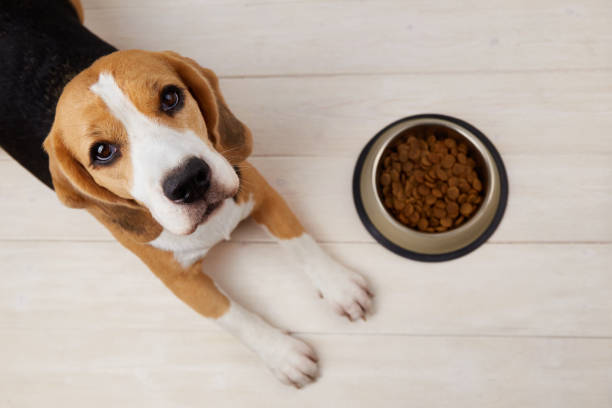
Defining Digestibility
Digestibility refers to the ease with which a dog's digestive system can break down and absorb nutrients from food. A highly digestible dog food maximizes nutrient absorption, minimizing the amount of undigested material left in the feces. This not only benefits the dog's health but also impacts the amount of waste produced.
Factors Influencing Digestibility
Several factors contribute to the digestibility of dog food:
- Ingredient Quality: High-quality ingredients are more digestible as they provide essential nutrients in forms that are readily absorbed by the dog's body.
- Processing Methods: The way food is processed can affect its digestibility. Overly processed or highly cooked foods may lose some of their nutritional value.
- Fiber Content: While fiber is essential for digestive health, an excess can reduce the overall digestibility of dog food.
- Ingredient Source: Dogs may better digest food with protein sources that are more familiar to their evolutionary diet.
Fresh Cooked Dog Food and Digestibility
In recent years, fresh cooked dog food has gained popularity as a healthier alternative to traditional commercial dog food. But what sets it apart in terms of digestibility?

1. Whole, Nutrient-Rich Ingredients:
Fresh cooked dog food often includes whole, unprocessed ingredients, which are inherently more digestible. Whole meats, vegetables, and grains provide a spectrum of nutrients in a form that mimics a dog's natural diet.
2. Minimal Processing:
The cooking process for fresh dog food is usually gentler than the high-temperature processes used in some commercial foods. This helps retain the nutritional integrity of the ingredients, making them more digestible for dogs.
3. High-Quality Protein:
Protein is a crucial component of a dog's diet, and fresh cooked dog food often contains high-quality protein sources. These proteins are typically more digestible and bioavailable for the dog's body.
4. Limited Additives:
Fresh cooked dog food recipes tend to have fewer artificial additives, preservatives, and fillers. This simplifies the digestive process for dogs, as they are exposed to fewer potentially irritating or indigestible substances.

Take Home Message
Digestibility is a key factor in evaluating the nutritional quality of dog food. While various factors contribute to a dog food's digestibility, the rise of fresh cooked dog food offers a promising alternative. With its emphasis on whole, minimally processed ingredients, fresh cooked dog food is not only a treat for the taste buds but also a boost for your furry friend's digestive health. As always, it's essential to consult with a veterinarian to tailor a diet that meets your dog's specific nutritional needs.