
Why Does My Dog Drool?

Why Does My Dog Drool?
Does your pooch have a drool-worthy talent that could rival a dripping faucet? Don't worry; your furry friend isn't auditioning for a canine water park. Dog drooling is as natural as their wagging tails and wet-nosed greetings. It's their built-in feature that comes in handy for a variety of reasons. Whether it's a scrumptious meal, the anticipation of a long walk, or simply the excitement of seeing their favorite human, dogs know how to turn on the saliva faucet and let it flow. So, grab a towel and get ready to dive into the fascinating world of dog drooling and uncover the secrets behind their slobbery charm.
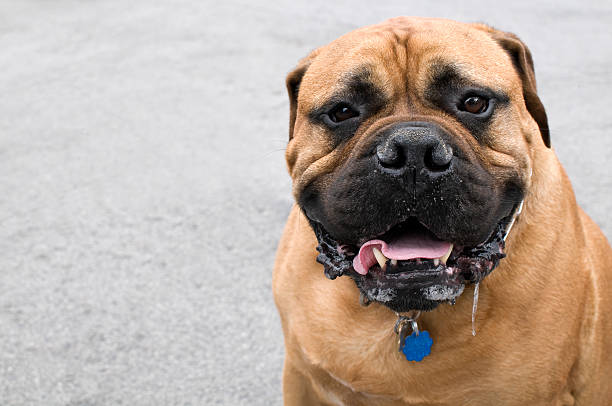
Reasons why your dog may be drooling
Drooling is a common occurrence in dogs and is a natural part of their physiology. It is their way of salivating, and while it may seem excessive or messy at times, it serves various important functions. Dogs have a higher saliva production compared to humans, and their drooling can be influenced by a multitude of factors, including breed, age, health, and even emotions. Understanding why dogs drool can help pet owners better care for their furry companions and address any concerns they may have.
Food and Hunger
Dogs often drool in anticipation of a meal or when presented with delicious food. The sight, smell, and even the sound of food can trigger their salivary glands. Saliva contains enzymes that begin breaking down food even before it reaches the stomach, helping dogs to better extract nutrients from their meals. Additionally, drooling helps to keep their mouths moist, which is crucial for maintaining oral health and preventing dryness or discomfort.
Heat Regulation
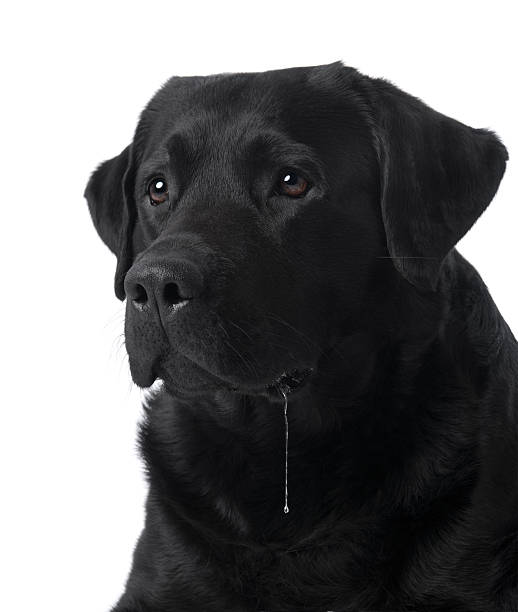
Unlike humans, dogs don't have sweat glands all over their bodies. Instead, they rely on panting and drooling to cool down. The evaporation of saliva from their tongues helps dissipate heat and regulate their body temperature.
Breed and Anatomy
Certain dog breeds are more prone to excessive drooling due to their genetics and specific facial and mouth structures. Breeds like Saint Bernards, Bloodhounds, and Bulldogs are known for their slobbery tendencies.
Dental Health
Dogs with oral health issues such as gum disease, tooth decay, or mouth infections may experience increased drooling. Pain or discomfort in the mouth can stimulate excessive saliva production.
Nausea and Upset Stomach
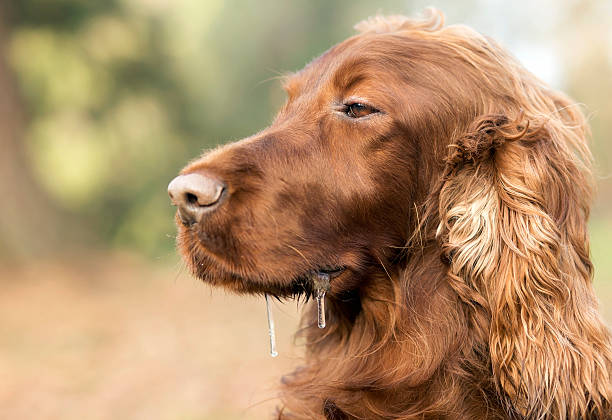
Dogs may drool excessively when they feel nauseous or have an upset stomach. This can be accompanied by other signs like vomiting, lack of appetite, or unusual behavior.
Excitement and Emotions
Dogs can drool when they are excited, anxious, or experiencing strong emotions. Whether it's meeting new people, going for a car ride, or seeing their favorite toys, the anticipation and heightened emotions can trigger drooling.
Motion Sickness
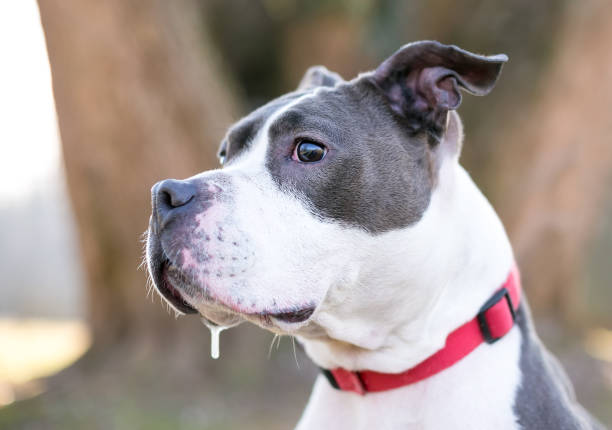
Just like humans, some dogs experience motion sickness during car rides or other forms of travel. Drooling can be a symptom of their discomfort.
Foreign Objects or Toxins
Ingesting certain substances, such as toxic plants, chemicals, or foreign objects, can cause dogs to drool excessively. This is often accompanied by other signs of distress or illness.
Medical Conditions
Some medical conditions, such as certain infections, neurological disorders, or salivary gland issues, can lead to excessive drooling in dogs. If you notice persistent or sudden changes in your dog's drooling behavior, it's essential to consult a veterinarian.
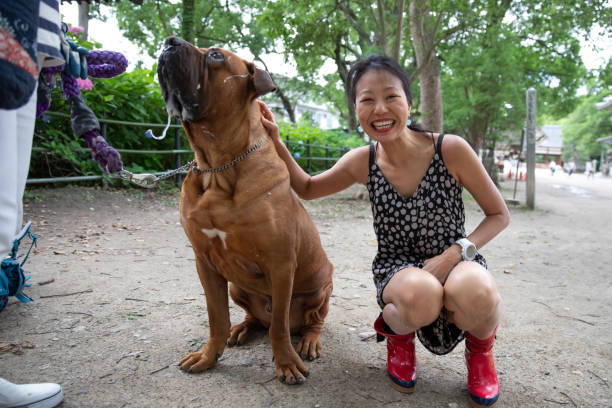
So there you have it, the slobbery truth behind your dog's drooling antics! From their love for food and the need to cool down to their emotional roller coasters and unique anatomy, dogs have a knack for turning on the drool faucet in various situations. While it may require an extra towel or two, embrace your dog's slobbery charm as a testament to their natural instincts and quirky personalities. So, next time you catch your furry friend leaving a trail of drool, remember that it's just another endearing aspect of being a dog. Embrace the slobber and enjoy the wet-nosed kisses that come along with it!