
Can Dogs Eat Raspberries?

Can Dogs Eat Raspberries?
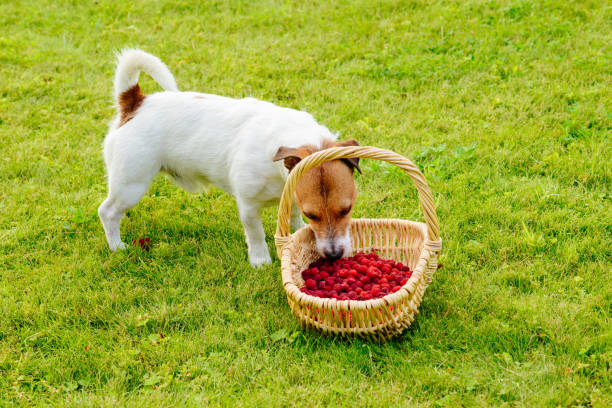
Imagine your furry four-legged friend, tail wagging with excitement, as you reach into a basket of plump, ruby-red raspberries. The thought of sharing your delicious snack with your canine companion might cross your mind, and you're not alone in your curiosity. So, can dogs indulge in the sweet, juicy delight of raspberries? Well, it's time to unravel the fruity mystery and find out if these tiny treasures are a tasty treat or a potential tummy trouble for your beloved pup.

Nutrition facts
Raspberries are not only delectably sweet but also packed with nutritional goodness.
Amount per 100g
Calories: 52 kcal
Carbohydrates: 11.9 grams
Dietary Fiber: 6.5 grams
Sugars: 4.4 grams
Protein: 1.5 grams
Fat: 0.7 grams
Vitamin C: 26.2 milligrams
Vitamin K: 7.8 micrograms
Folate (Vitamin B9): 25 micrograms
Potassium: 151 milligrams
Magnesium: 22 milligrams
Manganese: 0.67 milligrams
Iron: 0.69 milligrams
Calcium: 25 milligrams
Raspberries are not only low in calories but also a fantastic source of dietary fiber, vitamins, and minerals, especially vitamin C. They make for a healthy and delightful addition to your diet, but remember to enjoy them in moderation, whether you're sharing with your furry friend or indulging yourself.
Health benefits of raspberries
If you're a proud dog owner, you know how irresistible those puppy eyes can be, especially when you're enjoying a tasty treat. Sharing your snacks can be a fun bonding experience, but it's essential to choose dog-friendly options. Raspberries, those little red gems bursting with flavor, could be just the ticket! Not only are they delicious, but raspberries also offer a range of health benefits for your furry friend.
Nutrient Powerhouse
Raspberries are like nature's multivitamin for your pup. These tiny fruits are packed with essential nutrients that can contribute to your dog's overall well-being. Here's a quick rundown:
- Vitamin C: Raspberries are rich in vitamin C, which supports your dog's immune system and helps maintain healthy skin and coat.
- Vitamin K: This vitamin is essential for blood clotting and bone health. Raspberries contain vitamin K, albeit in smaller amounts compared to some other foods.
- Fiber: The dietary fiber in raspberries promotes digestive health and can help regulate bowel movements, keeping your dog's tummy happy.
- Minerals: Raspberries provide minerals like manganese, potassium, and magnesium, all of which play crucial roles in various bodily functions.
Antioxidant Boost
Antioxidants are superheroes that combat harmful molecules called free radicals, which can damage cells and contribute to aging and disease. Raspberries are brimming with antioxidants, including anthocyanins and quercetin. These antioxidants can help protect your dog's cells from oxidative stress, potentially reducing the risk of chronic diseases.
Weight Management
Just like humans, dogs can struggle with weight management. Raspberries can be a helpful tool in this regard. Their high fiber content can make your dog feel fuller for longer, curbing the urge to overeat. If your pup is watching their waistline, raspberries can be a tasty and guilt-free treat.
Anti-Inflammatory Properties
Inflammation can be a source of discomfort for dogs, especially those with conditions like arthritis. Some compounds in raspberries have anti-inflammatory properties that might provide relief to your furry friend. While they're not a replacement for veterinary care, raspberries can be a natural addition to a holistic approach to managing inflammation.

How many raspberries to give your dog
When giving raspberries to your dog, it's essential to do so in moderation. Raspberries are a healthy treat, but they should only be a small part of your dog's overall diet. Here are some guidelines to follow:
Start Small: If your dog has never had raspberries before, begin with just one or two raspberries to see how they react. Some dogs may have sensitivities or allergies to certain foods, including berries.
Consider Your Dog's Size: The number of raspberries you can give your dog depends on their size. Larger dogs can tolerate a few more raspberries than smaller dogs. As a general rule of thumb:
- Small dogs (under 10 pounds): 1-2 raspberries
- Medium dogs (10-50 pounds): 2-4 raspberries
- Large dogs (50+ pounds): 4-6 raspberries
Be Mindful of Calories: Raspberries are relatively low in calories, but they still contribute to your dog's daily calorie intake. If your dog is on a strict diet, you may need to adjust their regular food portion to account for the calories from raspberries.

Recipe for raspberry dog biscuits
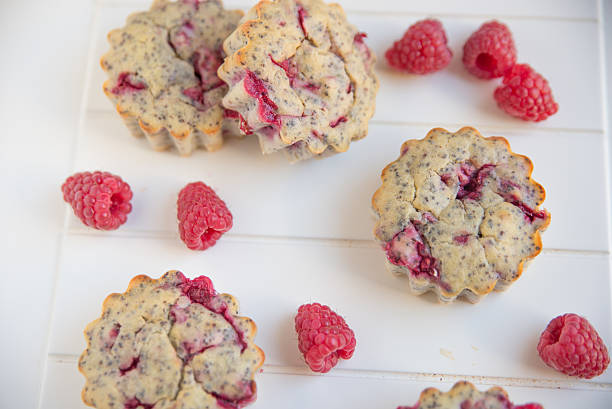
Here's a simple and dog-friendly raspberry recipe for your furry friend to enjoy as an occasional treat. These homemade Raspberry and Peanut Butter Dog Biscuits are sure to make your dog's tail wag with delight!
Ingredients:
- 1 cup whole wheat flour
- 1/2 cup rolled oats
- 1/2 cup fresh raspberries
- 1/4 cup unsalted creamy peanut butter (make sure it doesn't contain xylitol, a sweetener that is toxic to dogs)
- 1/2 tsp chia seeds
- 1/4 cup water
Instructions:
- Preheat the Oven: Preheat your oven to 350°F (175°C) and line a baking sheet with parchment paper.
- Blend the Raspberries: Place the fresh raspberries in a blender or food processor and blend until you have a smooth raspberry puree. Set it aside.
- Mix Dry Ingredients: In a mixing bowl, combine the whole wheat flour and rolled oats.
- Add Peanut Butter: Add the unsalted creamy peanut butter to the dry ingredients. Mix it well until the mixture becomes crumbly.
- Add Raspberry Puree: Pour in the raspberry puree and water into the peanut butter mixture. Stir everything together until a dough forms. If the dough is too dry, you can add a little more water.
- Roll and Cut: Roll out the dough on a floured surface to a thickness of about 1/4 inch. You can use dog bone-shaped cookie cutters or any other fun shapes you prefer to cut out the biscuits.
- Bake: Place the cut-out biscuits onto the prepared baking sheet and bake them in the preheated oven for approximately 20-25 minutes or until they turn golden brown.
- Cool: Once baked, remove the biscuits from the oven and allow them to cool completely on a wire rack.
- Serve: Your homemade Raspberry and Peanut Butter Dog Biscuits are now ready to be enjoyed by your furry friend. Store any leftovers in an airtight container in the refrigerator for freshness.