
Can Dogs Eat Cheese?

Can Dogs Eat Cheese?
Dogs are known for their love of treats, and one human delight that often finds its way into their eager mouths is cheese. But before you toss your pup a cheesy tidbit, it's essential to understand the implications of including this dairy delight in their diet. In this blog post, we'll explore whether dogs can eat cheese, the nutritional content of various types of cheese, the benefits and drawbacks of including cheese in your dog's diet, and even provide a dog-friendly cheese recipe.

Nutrition Facts for Different Types of Cheese
Cheddar Cheese
Calories: 110 per ounce
Protein: 7g
Fat: 9g
Calcium: 200mg
Phosphorus: 140mg
Swiss Cheese
Calories: 110 per ounce
Protein: 8g
Fat: 9g
Calcium: 270mg
Phosphorus: 190mg
Mozzarella Cheese
Calories: 80 per ounce
Protein: 6g
Fat: 6g
Calcium: 140mg
Phosphorus: 110mg
Which Types of Cheese Are Better for Dogs?
While many dogs can tolerate cheese in moderation, some types are more suitable than others. Opt for low-fat options like mozzarella or cottage cheese. These varieties contain less fat and are generally easier on a dog's digestive system. Always choose plain, unsalted varieties to avoid excess sodium intake.

Health Benefits of Cheese for Dogs
Protein Source:
Cheese can be a good source of protein for dogs, aiding in muscle development and repair.
Calcium Boost:
The calcium content in cheese contributes to bone health and supports a dog's overall skeletal structure.
Taste and Motivation:
Including a bit of cheese in training treats can be a powerful motivator for dogs, making training sessions more enjoyable for both the pet and the owner.
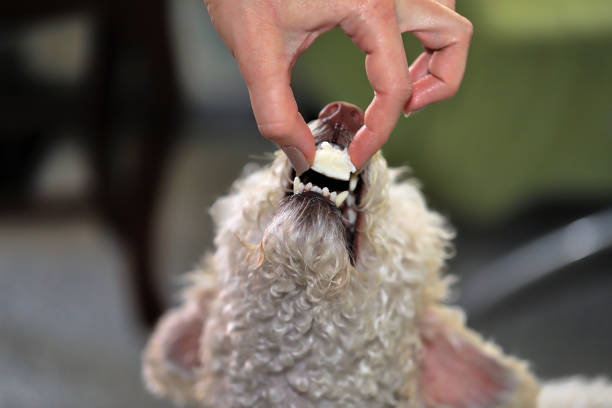
Negatives of Feeding Your Dog Cheese
Lactose Intolerance:
Many dogs are lactose intolerant, meaning they lack the necessary enzyme to break down lactose in milk-based products. This can lead to digestive upset, including diarrhea and gas.
High in Fat and Calories:
While some fat is necessary for a dog's diet, excessive consumption can contribute to obesity. High-fat cheeses should be given sparingly.
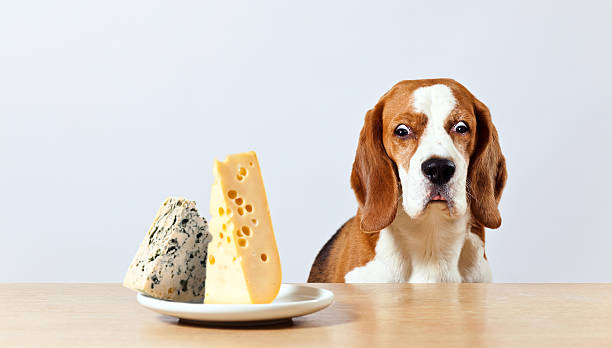
How Much Cheese Can Dogs Have?
The key to feeding cheese to your dog is moderation. Cheese should be offered as an occasional treat rather than a regular part of their diet. A small cube or a thin slice is usually sufficient for most dogs. Monitor your pet for any signs of digestive upset after introducing cheese into their diet.

Recipe for a Dog-Friendly Cheesy Pumpkin Bites
Ingredients:
- 1 cup pumpkin puree (unsweetened)
- 1/2 cup shredded low-fat cheddar cheese
- 1 cup whole wheat flour
- 1 egg
Instructions:
- Preheat the oven to 350°F (180°C).
- In a bowl, mix together the pumpkin puree, shredded cheese, whole wheat flour, and egg until well combined.
- Drop spoonfuls of the mixture onto a baking sheet lined with parchment paper.
- Bake for 15-20 minutes or until the edges are golden brown.
- Allow the treats to cool before offering them to your pup.

While cheese can be a tasty and nutritious addition to your dog's diet, it's crucial to exercise caution and consider your dog's individual needs. Moderation is key, and consulting with your veterinarian before introducing new foods is always a wise decision. With the right approach, cheese can be a delightful treat that enhances your bond with your furry friend.