
The Role of Exercise in Dog Health: Finding the Right Balance

The Role of Exercise in Dog Health: Finding the Right Balance
As avid pet owners, we understand the joy and companionship that dogs bring to our lives. In return, it is our responsibility to ensure that our furry friends lead happy and healthy lives. One crucial aspect of canine well-being that often gets overlooked is exercise. In this blog, we will explore the multifaceted role of exercise in dog health and discuss the importance of finding the right balance to promote overall well-being.

The Basics of Canine Exercise
Dogs, by nature, are active animals with an inherent need for physical activity. Regular exercise is essential for maintaining a healthy weight, promoting cardiovascular health, and preventing behavioral issues. However, the type and amount of exercise required can vary greatly depending on factors such as breed, age, size, and overall health.
Understanding Breed-Specific Needs
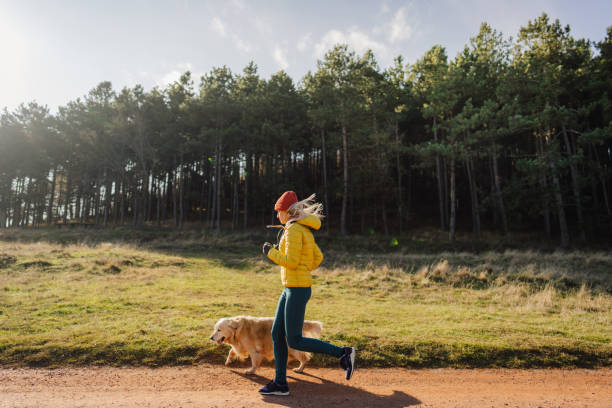
Different dog breeds have distinct energy levels and exercise requirements. For example, high-energy breeds like Border Collies and Siberian Huskies thrive on vigorous activities such as running and agility training. On the other hand, toy breeds like Chihuahuas may prefer shorter, more frequent walks. Understanding your dog's breed characteristics is crucial in tailoring an exercise regimen that meets their specific needs.
The Impact of Age on Exercise
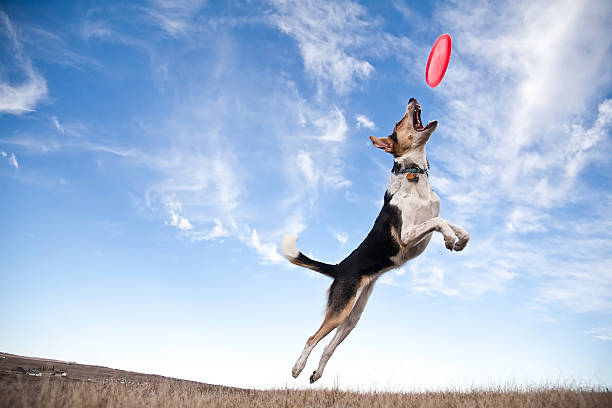
Puppies, adult dogs, and seniors each have unique exercise requirements. Puppies benefit from short bursts of play to support healthy growth and development, while adults may engage in more strenuous activities. Senior dogs, however, may have mobility issues and benefit from gentler exercises, such as leisurely walks or water-based activities. Adjusting exercise routines based on age is crucial to prevent injuries and support overall well-being.
Balancing Exercise with Diet
Exercise and diet go hand in hand in maintaining a healthy lifestyle for dogs. Overexercising without appropriate nutrition can lead to muscle fatigue, joint problems, and other health issues. Conversely, a lack of exercise combined with overfeeding can result in obesity, which poses its own set of health risks. Striking the right balance between exercise and diet is paramount to ensuring optimal canine health.
Preventing Behavioral Issues
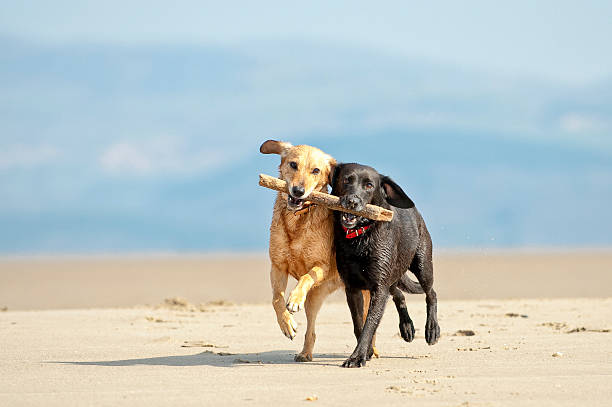
In addition to physical health, regular exercise plays a crucial role in preventing behavioral problems in dogs. Dogs left without sufficient mental and physical stimulation may develop destructive behaviors, anxiety, or excessive barking. Incorporating interactive play, puzzle toys, and varied exercise routines can help channel your dog's energy in a positive direction, promoting mental well-being.
Balancing Rest and Recovery
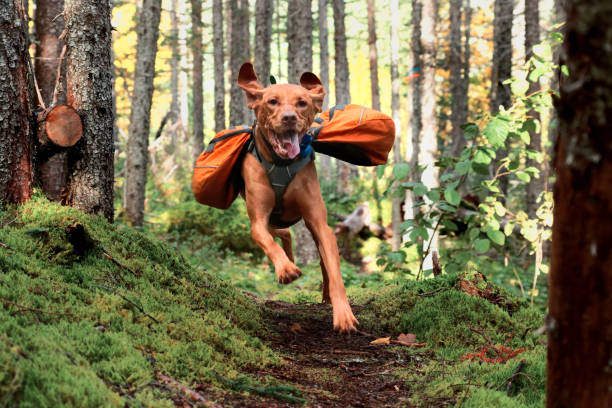
While exercise is crucial, so is allowing your dog adequate rest and recovery time. Overexertion can lead to fatigue, muscle strain, and increased susceptibility to injuries. Ensuring that your dog has a comfortable and quiet space for rest is essential in maintaining their overall health and vitality.
Types of Fun Exercise for Your Dog
Ensuring a well-rounded exercise routine is crucial for your dog's overall health and happiness. Here, we explore various types of exercises that cater to different aspects of your canine companion's well-being:
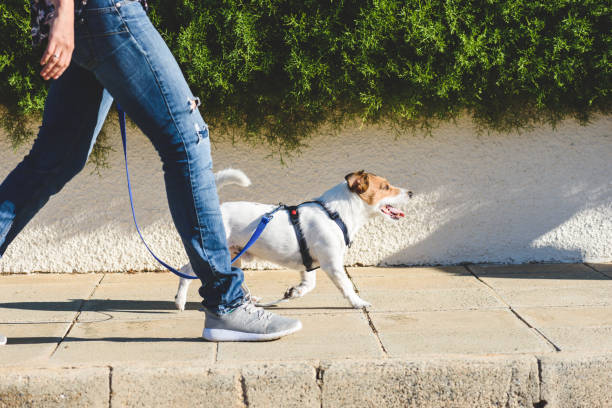
- Aerobic Exercises: Engage your dog in activities that get their heart rate up, such as brisk walks, jogging, or playing fetch. These exercises boost cardiovascular health, promote weight management, and provide an outlet for excess energy.
- Strength and Agility Training: Incorporate strength-building exercises like climbing stairs, gentle agility courses, or using obstacle equipment. These activities help enhance muscle tone, improve coordination, and keep joints flexible, particularly beneficial for high-energy breeds.
- Interactive Play: Stimulate your dog's mind and body through interactive games like tug-of-war, hide-and-seek, or fetch with varying objects. This not only provides physical exercise but also fulfills their mental stimulation needs.
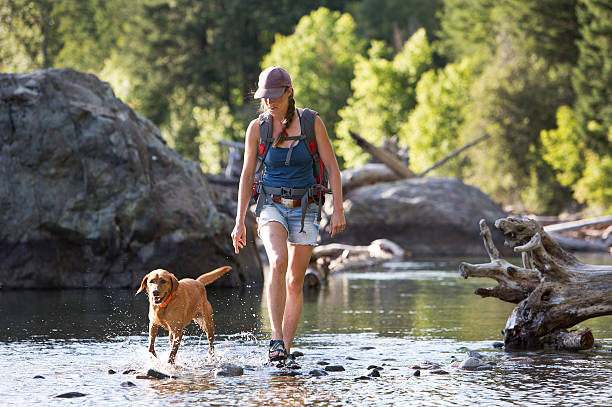
- Swimming: Ideal for dogs of all ages, swimming is a low-impact exercise that promotes muscle strength and cardiovascular fitness. It's particularly beneficial for senior dogs or those with joint issues.
- Obedience Training: Combining mental stimulation with physical activity, obedience training sessions are a two-in-one approach. Teaching commands and tricks not only exercises your dog's brain but also strengthens the bond between you and your furry friend.
- Puzzle Toys and Games: Incorporate puzzle toys or treat-dispensing games to challenge your dog's problem-solving skills. This mental stimulation is essential for intelligent breeds and helps prevent boredom-related behavioral issues.
- Nature Walks and Hiking: Take your dog on nature walks or hikes to expose them to different environments and terrains. This engages their senses, provides mental stimulation, and offers a change from routine walks.
- Fetch and Retrieval Games: Simple yet effective, playing fetch or retrieval games taps into your dog's natural instincts and helps burn off excess energy. Vary the objects used to keep the activity interesting.
The role of exercise in dog health is multifaceted and goes beyond just physical well-being. Tailoring an exercise routine to meet your dog's specific needs, considering factors like breed, age, and health status, is crucial. Striking the right balance between physical activity, mental stimulation, and rest is key to fostering a happy and healthy life for our beloved canine companions. As responsible pet owners, let us commit to providing the love, care, and exercise our dogs need to thrive.