
How to Manage Your Dog's Anxiety: Effective Strategies for a Happier, Calmer Pup

How to Manage Your Dog's Anxiety: Effective Strategies for a Happier, Calmer Pup
Our furry friends bring joy and companionship into our lives, but just like us, they can experience anxiety too. Whether it's due to separation, loud noises, or other triggers, it's essential to recognize and address your dog's anxiety for their well-being. In this guide, we'll explore practical strategies to help you manage your dog's anxiety and promote a happier, calmer canine companion.

Identify the Signs of Anxiety
Before addressing your dog's anxiety, it's crucial to recognize the signs. Common symptoms include:
- Pacing or restlessness
- Excessive barking or whining
- Destructive behavior
- Trembling or shaking
- Excessive licking or grooming
- Changes in appetite
- Avoidance behavior
Once you've identified these signs, you can start working on a plan to manage their anxiety effectively.
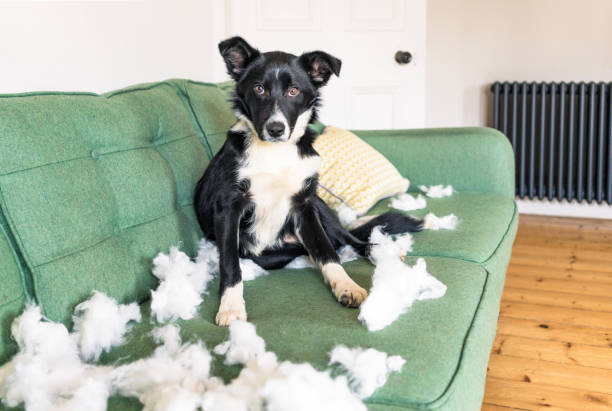
Create a Safe Haven
Dogs often seek comfort in a designated safe space. Create a cozy and secure area in your home where your dog can retreat when they feel anxious. This space should include their bed, toys, and some of your clothing with your scent, which can provide comfort in your absence.
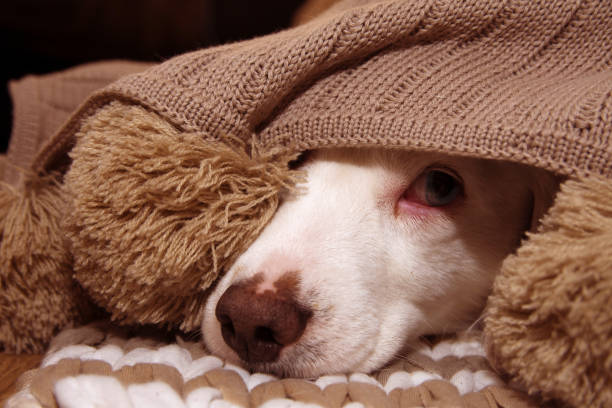
Gradual Desensitization
If your dog's anxiety is triggered by specific situations, like thunderstorms or car rides, try gradual desensitization. Expose them to these triggers in a controlled and gradual manner. For example, play recorded thunder sounds at a low volume and gradually increase it over time. Reward them with treats and praise for calm behavior, helping them associate positive experiences with previously anxiety-inducing situations.
Regular Exercise and Mental Stimulation
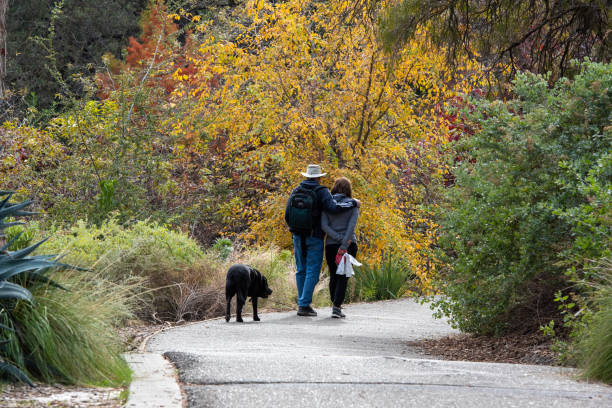
Physical activity is an excellent way to reduce anxiety in dogs. Make sure your pup gets regular exercise through walks, playtime, and interactive toys. Mental stimulation, such as puzzle toys and obedience training, can also help tire out their mind, reducing anxiety.
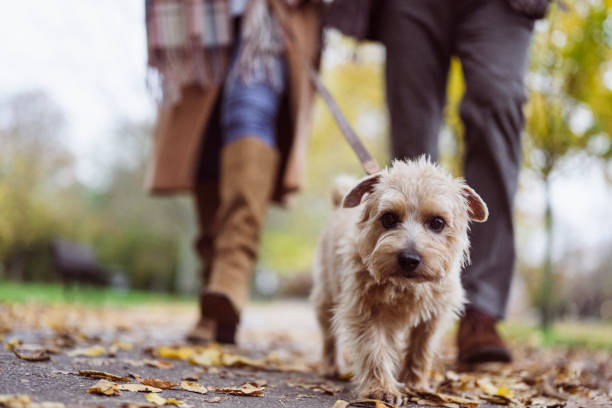
Consistent Routine
Dogs thrive on routine, which can provide a sense of security and predictability. Try to establish a daily routine for feeding, walks, playtime, and bedtime. Consistency can help reduce anxiety by providing structure in their lives.
Calming Supplements and Medications
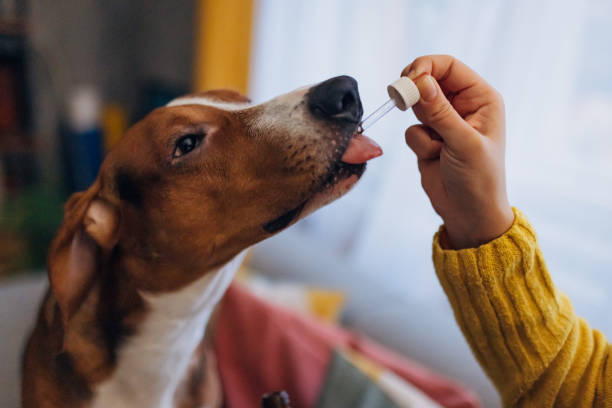
Consult with your veterinarian about using calming supplements or medications for your dog's anxiety. Some dogs may benefit from prescription medications, while others may respond well to natural supplements like CBD oil or herbal remedies. Always follow your vet's guidance when using these products.
Professional Help
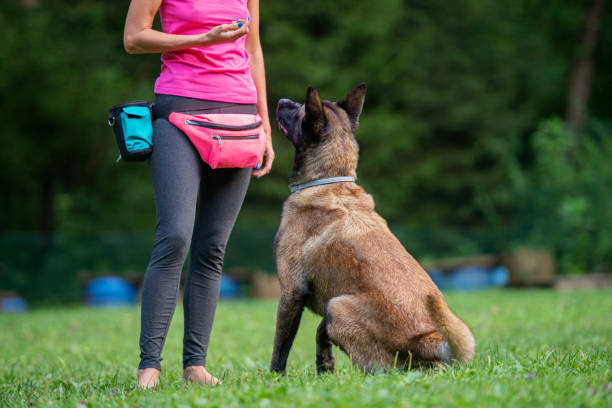
In severe cases of anxiety, it's essential to seek professional help from a certified dog behaviorist or trainer. They can develop a customized plan to address your dog's specific anxiety triggers and provide guidance on training techniques.
Positive Reinforcement
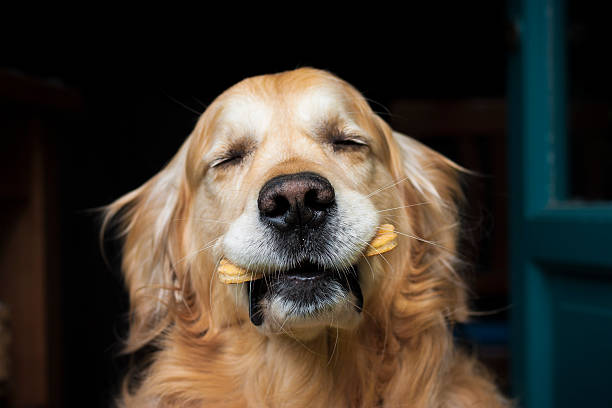
Use positive reinforcement techniques to reward calm behavior. When your dog remains calm during a trigger or stressful situation, offer treats and praise. This helps them associate relaxation with positive experiences.
Avoid Punishment
Never punish your dog for anxious behavior. Punishment can worsen anxiety and lead to other behavioral issues. Instead, focus on positive reinforcement and calming techniques.
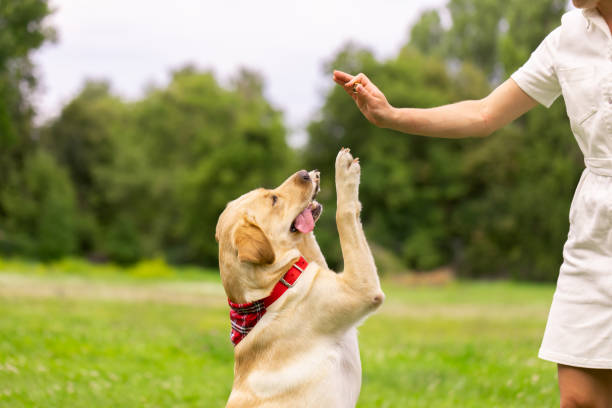
Managing your dog's anxiety is a journey that requires patience and dedication. By identifying the signs, creating a safe haven, and employing strategies like desensitization, regular exercise, and positive reinforcement, you can help your furry friend lead a happier, calmer life. Remember that every dog is unique, so be prepared to adapt and seek professional guidance if needed. With your love and support, your anxious dog can find peace and happiness.